Whilst living in the grasslands of the Eastern Free State, with the Witteberg Mountain range in the distant view, I have been given the fortunate opportunity to to slow down, quieten and listen to the wild call of nature all around me. The throng of African birds that visit me on my sunny stoep in the mornings, the Bokmakierie with its unique call, the cheeky Sparrow weavers, Glossy starlings and brightly coloured Crested barbets. The Yellow Mongoose colony that show up, standing on their hind legs, on my walks along the river. The giant Weeping Willows that drape their branches downwards like green curtains cascading into the water. I listen to the feral screech of the Black-winged Kite and watch secretively as it hovers in one spot in the air, on the hunt. But the strongest has been from the smallest of creatures. Small maybe, but certainly not insignificant. Soft hums as subtle vibrations reach my ears, I hear them nearby, not one, but a few. They have made themselves known to me many times, and today they are back to commune. The African Honey Bee.
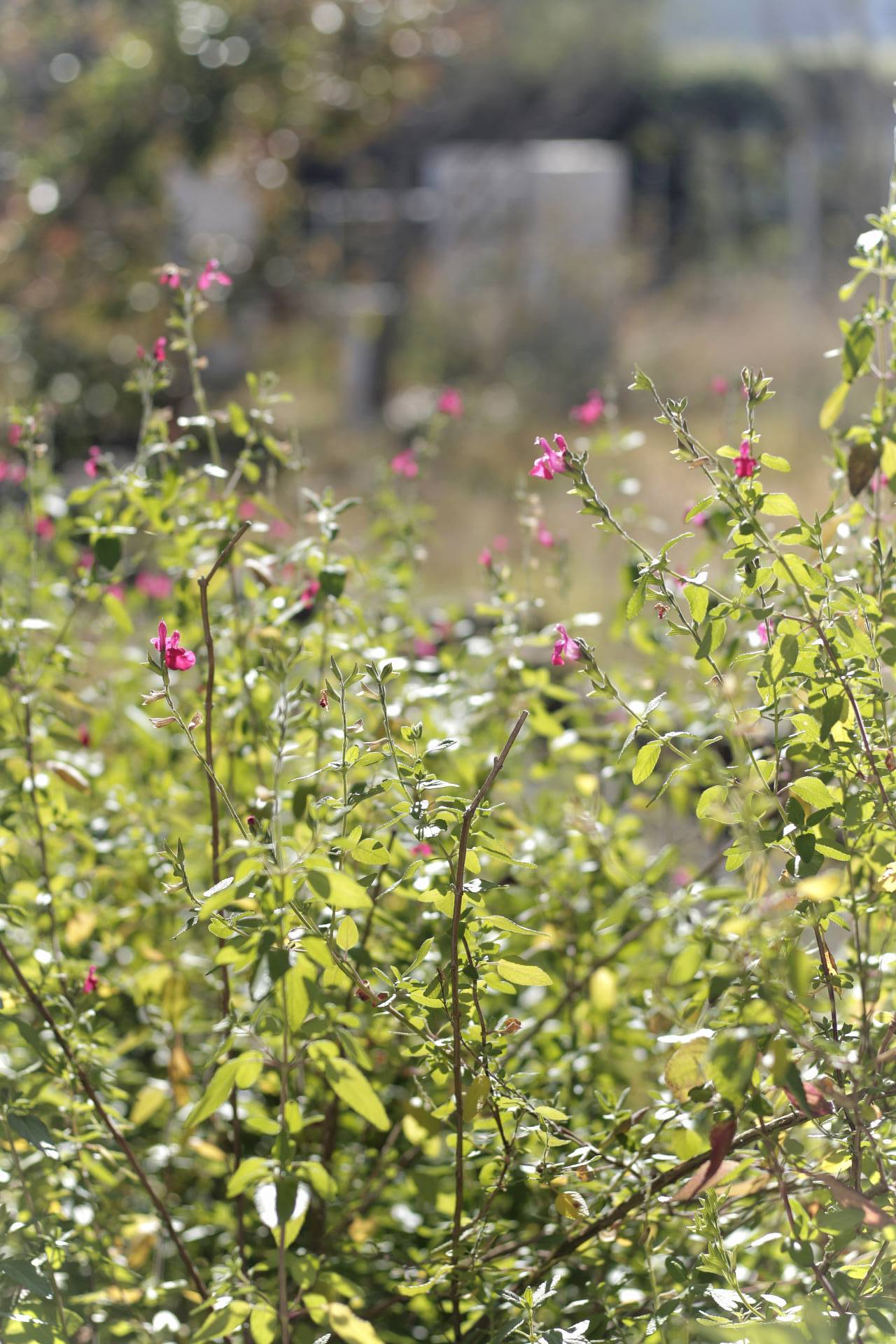
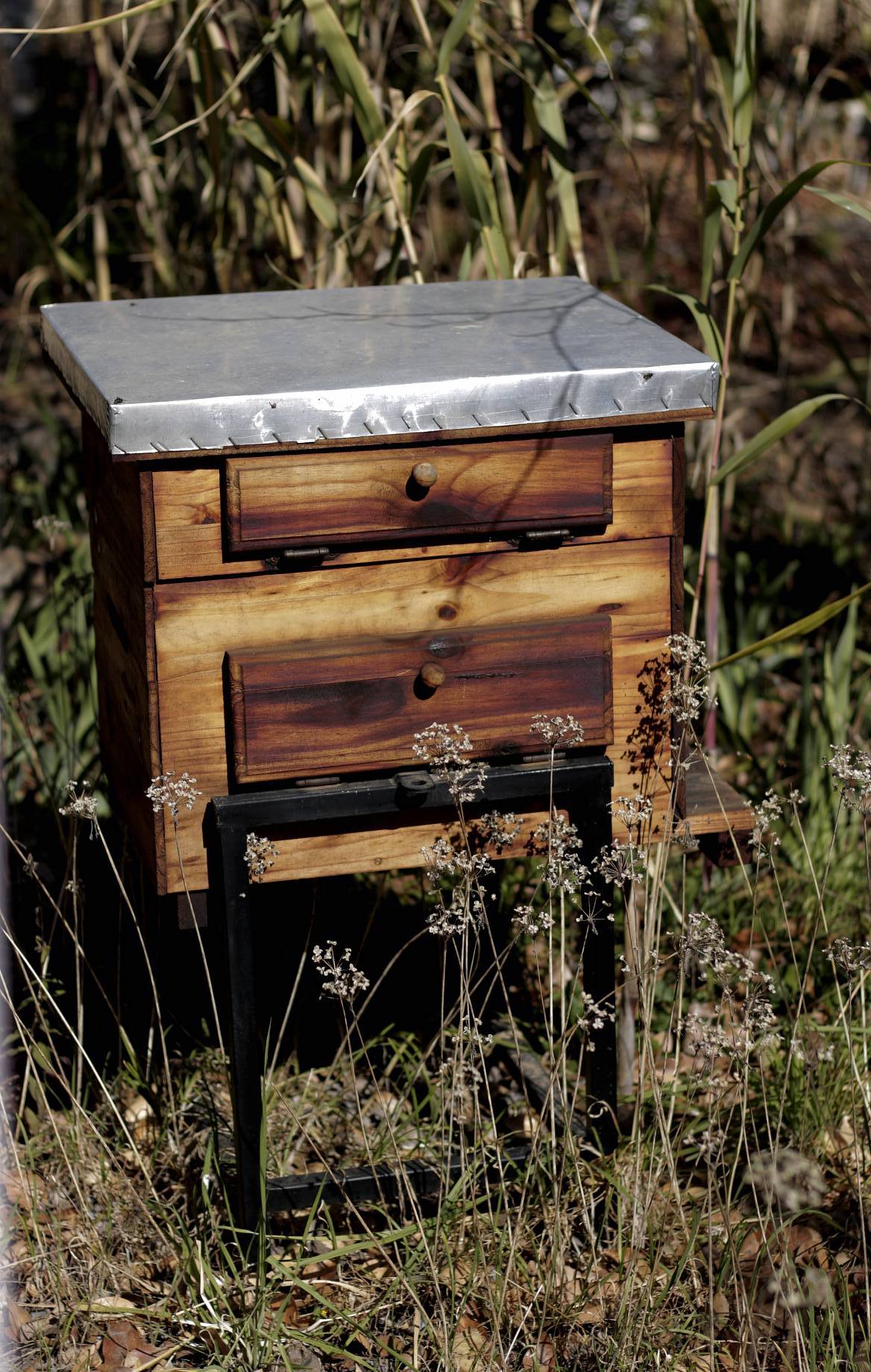
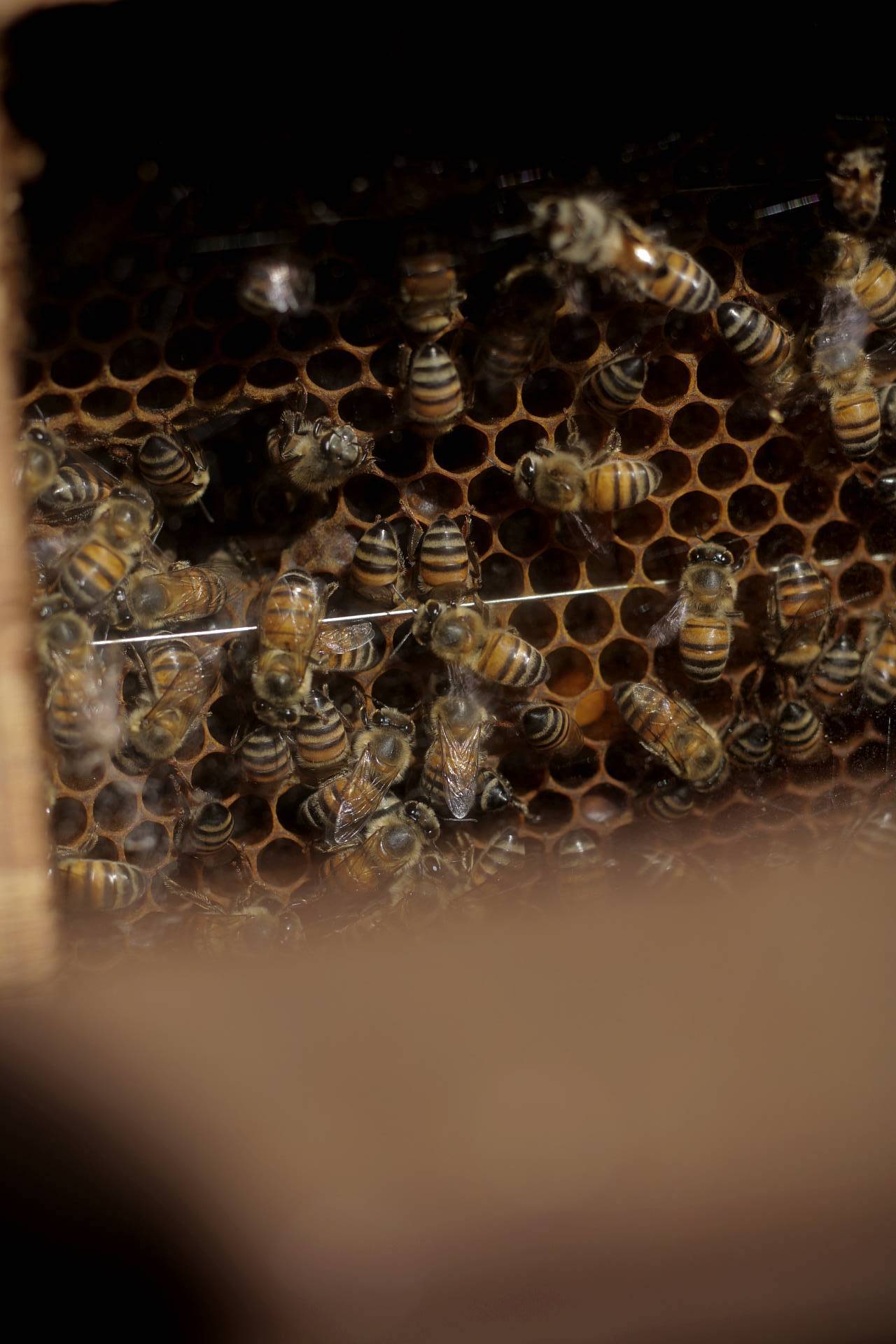
I have immersed myself of late in the world of bees, reading about them, listening to fascinating podcasts about them and intimately sharing experiences with them. The sweet stone cottage I am staying in happens to have a man made hive at the back and there is currently an active colony making their home there. As winter starts to set in, I make the most of the precious mornings when the suns rays spread across the front stoep. Basking under its warmth, I sip my coffee, read a little and watch as slowly the bees emerge, hovering from one pink bloom to the next of the giant Pineapple Sage bush beside me. It brings a sweet calmness to my day, a soft surrender to the ways of the small ones. I am acutely aware of the animals, elements and seasonal shifts about me as I dive into the work offered by the course I am doing with Deepen Your Roots. I am open to which beings want to make themselves known to me as we start an apprenticeship with this work, an apprenticeship with animal kin. I am visited often by a bee from the colony, when one crawls on my bare leg, not aggressive, but curious. I go to sit with the hive some days and watch individual bees in their intense business, trying to work out whether I am observing a drone bee, a worker bee or a nurse. I open up the window to the hive and see them in their conglomeration, crawling, humming, looking more like one big being than many tiny ones.
I learn that they have an amazing affinity for learning. They have incredible spacial awareness in order to find their way from fields of flowers back to their hive. They have 5 eyes, 2 compound eyes for seeing around them and 3 smaller ocelli eyes which fascinatingly, help them to use the sun to navigate. These rather incredible creatures use their antennae to not only detect light, but also vibrations, chemicals and electric fields. The more I learn about bee lore, the more enriched I feel to know that we live in a world capable of creating and sustaining such intelligence.
I stir my honey into my tea one night and think of the labour these bees put into creating such sweet medicine. I watch videos on bee keeping and notice how, when done ethically and sustainably, they show readiness to share their bounties of honey. I wander about what these enchanting insects would want to say to the human world if they had the opportunity. It’s become common knowledge that on a global scale, the bees are facing massive decline. I shed a few tender tears as I watch a documentary talk about how almond farms literally truck commercial bees to different locations to pollinate the almond flowers. Chemicals are sprayed too soon after the pollination process and many bees end up dying, catching diseases and parasites or undergo intense stress during transportation. Another huge problem with the world of mono-culture farming practices. It was awfully distressing to see how bees are being exploited by our kind. I can only imagine they have a number of things they would want to communicate to us. As angry as I would imagine the bee folk to be, I too detect a curiosity by them, especially when one treads carefully and consciously amongst their kind.
Like the rest of nature, perhaps it’s all about reciprocity, showing care and concern for the sustainability of their wider home, the earth. Maybe if we listened more, paid careful attention to the many small and wild worlds around us we would be capable of changing our often greedy ways. One can only hope. in South Africa, the earliest bee keepers were the Khoi San, who viewed the bees as sacred beings who were interwoven with their spiritual beliefs. As the indigenous people of these lands who understood the balance of life and the necessity for earth care, we can look to their example of how to better work with and for the bees.